
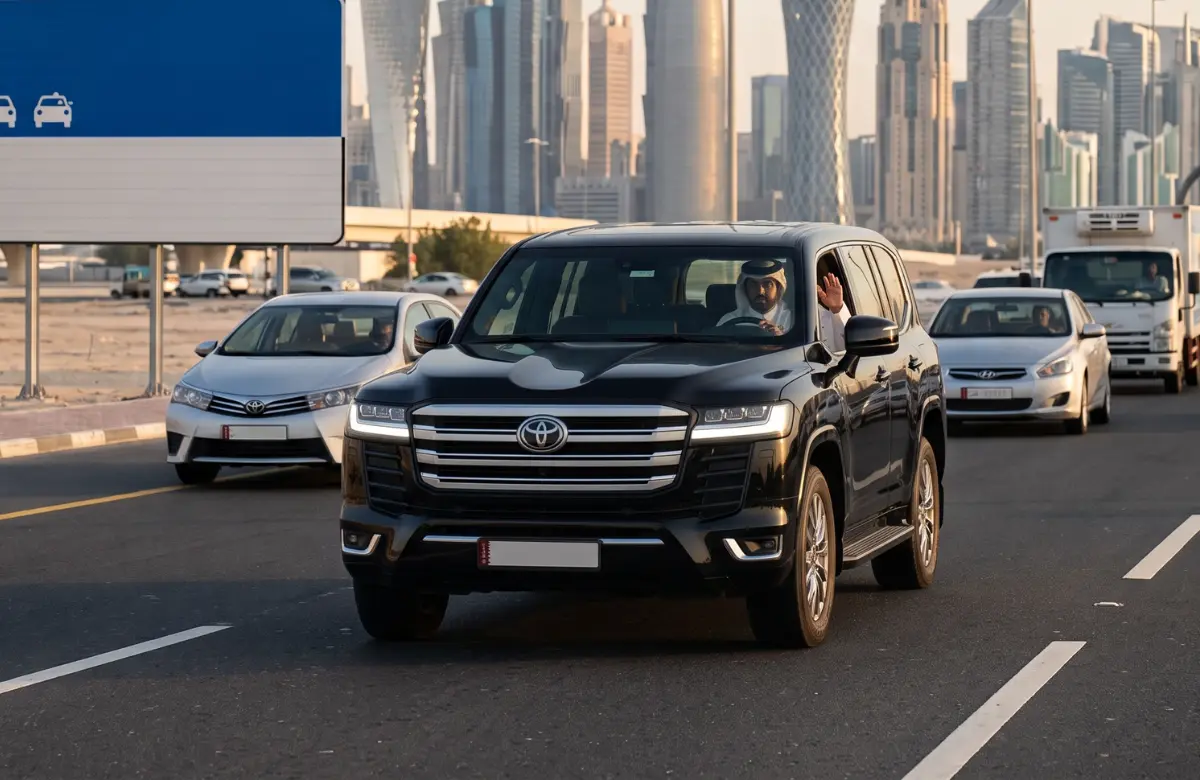
Qatar Driving Etiquette: Rules Every Visitor Should Know
Qatar Road Rules Every Driver Needs to Know First
Qatar drives on the right, uses standard international road signage, and requires all vehicle occupants to wear seatbelts, front and back. A valid driving license is mandatory before you get behind the wheel. Visitors from many countries can drive on an International Driving Permit for a limited period, though tourists staying longer or expats settling in typically need to convert to a Qatari license through the traffic department.
Speed limits are enforced with radar cameras positioned along most highways, and fines climb quickly for repeat violations. Article-based penalties cover everything from mobile phone use while driving to failing to keep a safe following distance behind emergency vehicles. The traffic department publishes updated rules regularly, so checking current regulations before a long drive is worth the five minutes it takes.
Qatar Driving Etiquette at Roundabouts and Merging
Roundabouts are everywhere in Doha, and they reveal more about local driving etiquette than any other feature of the road network. The vehicle already inside the roundabout has the right of way. That sounds obvious until you’re sitting at the entry point watching three lanes of traffic merge without much use of indicators. Qatar driving etiquette here rewards patience over assertiveness. Flash your lights to signal, not to demand space, and expect other drivers to close gaps faster than you might be used to.
Merging onto Salwa Road or the Doha Expressway works the same way. Drivers often merge late and close, which feels aggressive to newcomers but is treated as routine locally. Leaving extra following distance and avoiding sudden braking does more for safety than reacting to every close pass.
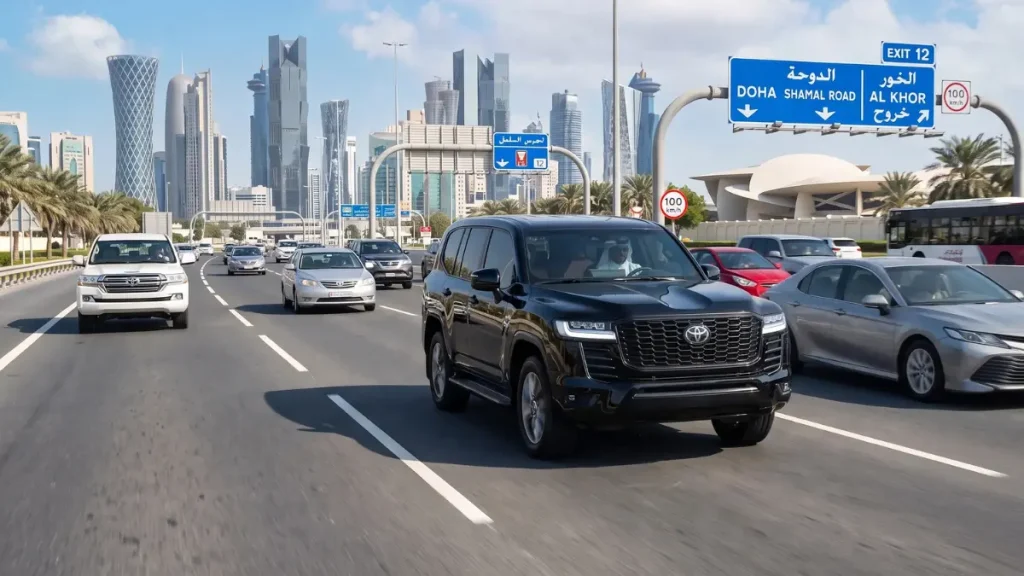
Qatar Traffic Rules for Visitors Renting or Driving Solo
Rental agencies in Qatar require a credit card, a passport, and either a local license or a valid IDP depending on nationality. Fuel is inexpensive by regional standards, but parking in central Doha during business hours can be tight, particularly around West Bay and the Souq Waqif area.
If navigating unfamiliar roads, prayer-time traffic surges, and roundabout etiquette sounds like more than you want to manage on a short trip, a chauffeur service in Qatar handles the driving with someone who already knows the roadways, leaving you free to focus on the trip itself rather than the route.
Everyday Courtesy on the Road: What Locals Expect
A few habits separate a smooth trip from a frustrating one. Horn use is minimal and reserved for genuine hazards rather than impatience. Tailgating is common on highways, so mirror checks matter more here than in many other countries. During Friday prayer times, traffic near mosques builds quickly, and patience matters more than trying to beat the surge.
Pedestrians cross at marked points more often than not, but not always where you’d expect, especially near labor camps and construction zones on the city’s outskirts. Slowing down near these areas, even without a marked crossing, reflects the kind of judgment that keeps both drivers and pedestrians safe. For visitors weighing whether to self-drive at all, official travel advisories offer a useful baseline before deciding.
Final Thoughts
Driving in Qatar rewards observation over assumption. The posted rules cover the basics, but the way roundabouts actually function, how following distance gets negotiated on the highway, and when patience beats assertiveness are things you pick up by watching before you commit to a maneuver. Give yourself a day or two to read the road before assuming you’ve got it figured out. If you’d rather skip that learning curve altogether, A Star Limousine’s chauffeurs already know Doha’s roundabouts and prayer-time traffic patterns firsthand. Curious what surprised other visitors most on their first drive through Doha?
FAQ
Depends on your home country. Many nationalities can drive short-term on an International Driving Permit alongside their original license, but this varies by agreement. Longer stays usually mean converting to a local Qatari license through the traffic department, so check your specific case before renting a car.
Yes, tailgating is genuinely common on Qatar’s highways, more so than many visitors expect. It isn’t necessarily aggression, just a different driving culture. The safest response is checking mirrors often and avoiding sudden braking rather than reacting defensively to every close follower.
Fines apply regardless of nationality, and radar cameras cover most major roads. Outstanding traffic fines can affect your ability to leave the country if you’re driving a registered vehicle, so it’s worth settling any violation before your departure date rather than assuming it’ll sort itself out.
Absolutely, and plenty of visitors do exactly that for business trips or short stays. A chauffeur who already knows Doha’s roundabouts, prayer-time traffic patterns, and parking quirks removes a layer of stress that self-driving in an unfamiliar city naturally adds.
Volume and merging habits mostly. Priority technically goes to whoever’s already in the roundabout, but the pace of merging can feel abrupt if you’re used to slower, more deliberate entries. Watching local traffic flow for a minute before joining usually clarifies the rhythm.